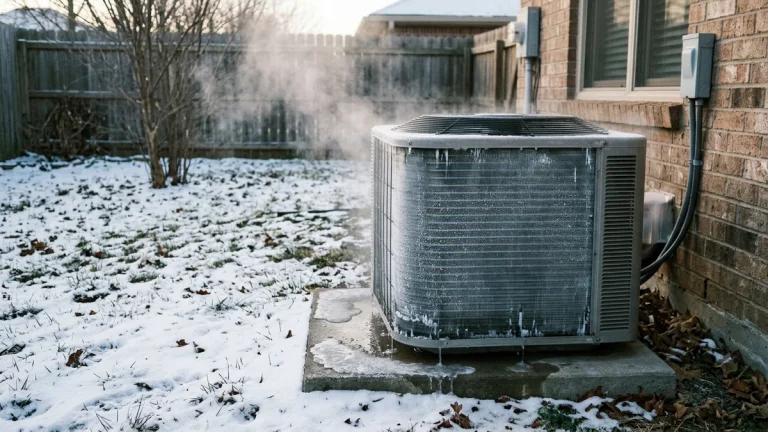
When a pilot light won’t stay lit, you press the knob, light the pilot, hold it for the recommended time, let go, and the flame dies within seconds. On a gas water heater that means cold showers; on an older furnace or gas fireplace, no heat. In most cases the appliance is not broken. A safety part is telling the gas valve it cannot “see” the flame, and that is usually a dirty pilot, a worn thermocouple or a draft.
A pilot light that won’t stay lit is most often caused by a faulty or misaligned thermocouple, a dirty pilot orifice that makes the flame too weak, or drafts and venting problems. Make sure you hold the pilot button long enough (often 30 to 60 seconds), check that the flame is strong and blue and wraps the thermocouple tip, then clean the pilot or replace the thermocouple. If you smell gas, stop and leave the house.
How a standing pilot works
↑ ContentsOn appliances with a standing pilot, a small flame burns all the time to light the main burner when heat is needed. A thermocouple, a thin copper rod with its tip in the pilot flame, makes a tiny electrical signal when it gets hot. That signal holds a safety magnet in the gas valve open. If the flame is weak, off-target or gone, the signal drops and the valve shuts off the gas. That is a safety feature, and it is also why the pilot goes out the moment you release the knob.
Relight it correctly first
↑ ContentsRead the label on the appliance
Lighting instructions are printed on the unit or inside the access door. Follow them exactly; models differ.
Turn the control to OFF and wait
Most labels say to wait several minutes so any gas can clear before relighting.
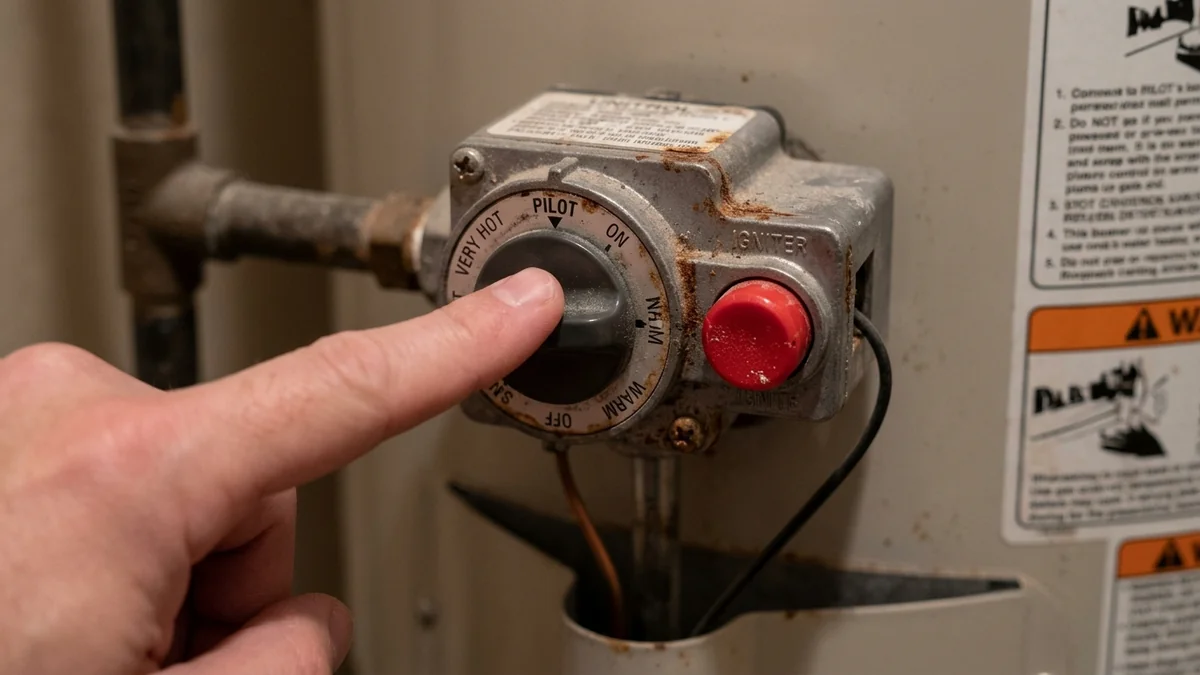
Set to PILOT and press the knob in
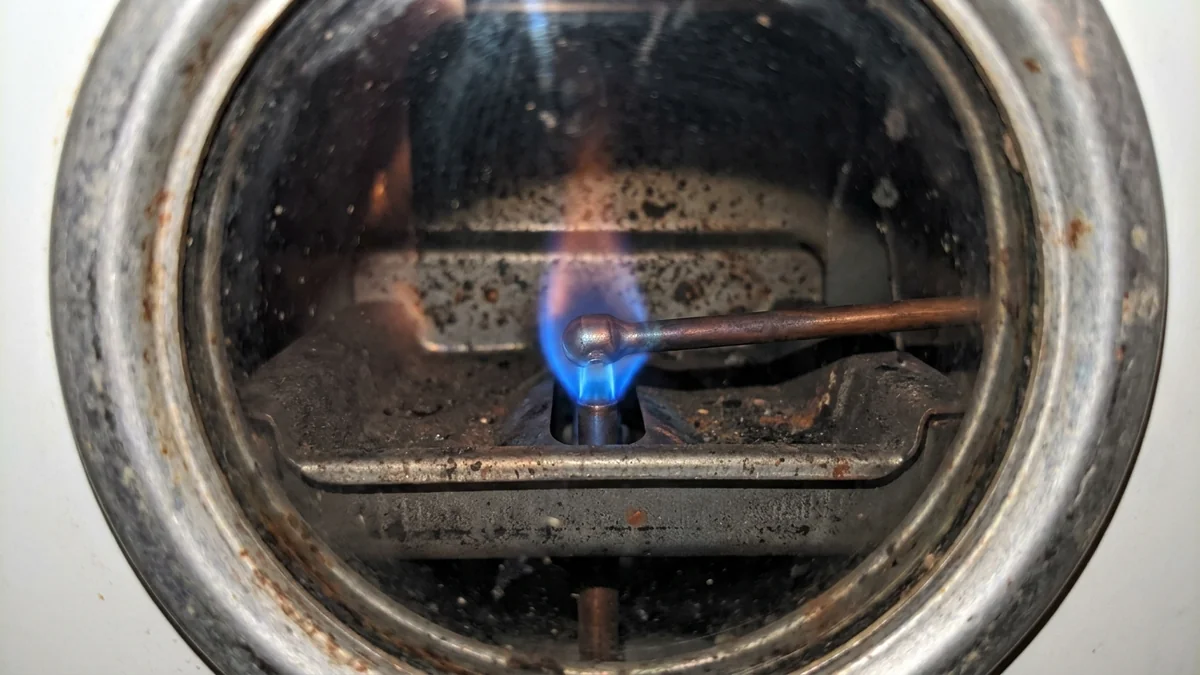
Hold it down and light the pilot with the built-in igniter button. On many water heaters you press the igniter repeatedly until you see the flame through the window.
Keep holding
This is where many people go wrong. The thermocouple needs time to heat. Hold the knob for the full time on the label, often 30 seconds to a minute, then release slowly.
Turn the control to ON
The main burner should light when there is a call for heat.
If the pilot lights but goes out as soon as you let go, even after a full minute, move on to the causes below.
7 reasons the pilot light keeps going out
↑ ContentsWorn or faulty thermocouple
The most common cause. Thermocouples wear out over years of sitting in a flame. If the pilot flame is good and still will not hold, replacing the thermocouple is an inexpensive fix on many water heaters and older furnaces.
Thermocouple not in the flame
The tip should sit in the upper part of the pilot flame, with the flame wrapping around it. A bracket knocked out of position can leave it just outside the flame.
Loose thermocouple connection
Where the thermocouple screws into the gas valve, a loose nut weakens the signal. A manufacturer troubleshooting guide from American Water Heater tells technicians to tighten it finger tight and then a quarter turn with a wrench. Do not overtighten.
Dirty pilot orifice
Dust, spider webs or soot partly block the tiny gas opening. The flame turns small, yellow or lazy and does not heat the thermocouple enough. A healthy pilot is mostly blue, steady and firm.
Drafts and venting problems
A door left open in a garage, a strong wind down the flue or a blocked vent can blow the pilot out. If it only goes out on windy days, check the vent cap and the flue connection.
Flammable vapor sensor or blocked air intake (newer water heaters)
Gas water heaters built since the early 2000s have a sealed combustion chamber with a flame arrestor at the bottom. Lint, dust and pet hair can clog the intake screen and starve the pilot of air. Some models also have a thermal switch that trips and must be reset or replaced by a pro.
Faulty gas control valve
If the flame is good and a new thermocouple still does not hold it, the valve itself may be failing. That is a job for a licensed plumber or gas technician.
Symptom guide
↑ Contents| What you see | Likely cause | Next step |
|---|---|---|
| Pilot lights, dies when knob released | Thermocouple or not holding long enough | Hold 60 seconds, then replace thermocouple |
| Small, yellow, flickering flame | Dirty pilot orifice or poor air supply | Clean pilot; clear intake screen |
| Goes out on windy days | Downdraft or vent problem | Inspect vent cap and flue |
| Will not light at all, no click | Igniter, gas supply or valve | Check gas is on; call a pro |
| Goes out after the burner runs a while | Venting, flame arrestor or thermal switch | Professional inspection |
Furnace and fireplace pilots
↑ ContentsMost furnaces made in the last couple of decades use electronic ignition and have no standing pilot. If yours has one, the same thermocouple logic applies. If your furnace has electronic ignition and still will not fire, see our guide to a furnace not turning on. Gas fireplaces and log sets often use a thermopile alongside a thermocouple; dust on the pilot assembly is a frequent cause of outages after summer.
Replacing a thermocouple: what to know
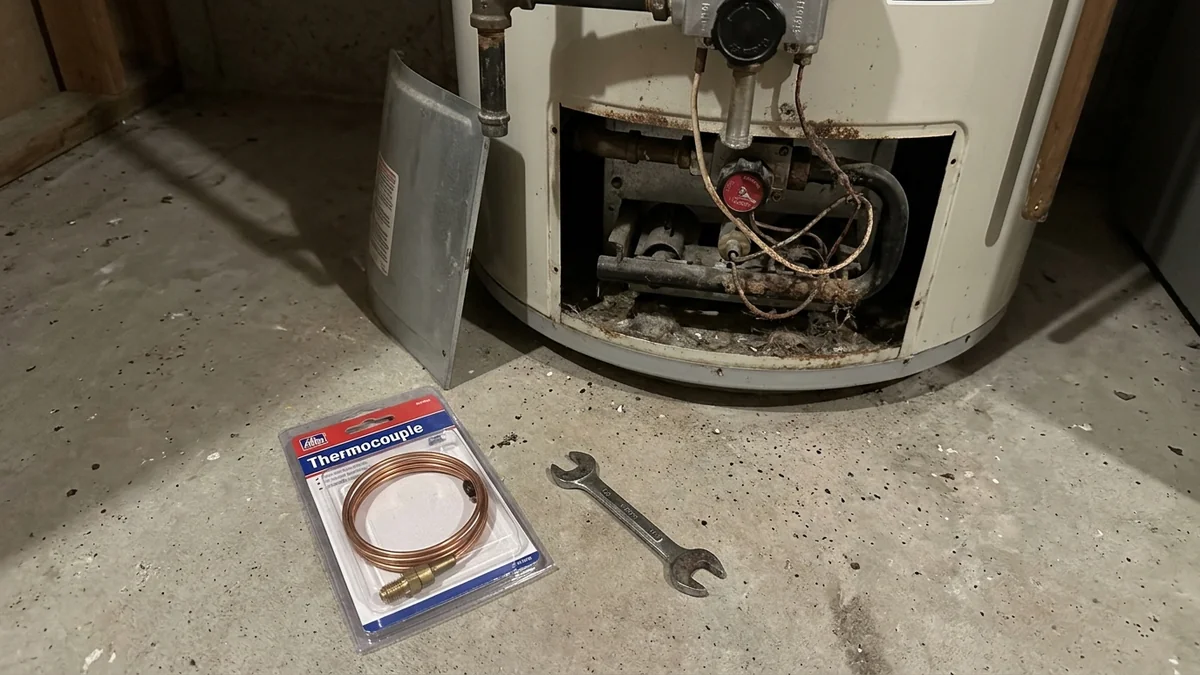
↑ Contents- Turn the gas control to OFF and close the gas shutoff to the appliance. Let a water heater burner area cool fully.
- Buy a replacement matched to the appliance; length and fitting type matter. Many sealed-combustion water heaters use a pilot assembly that is replaced as a unit.
- After replacement, check connections with soapy water: bubbles mean a leak.
- If you are not comfortable working near gas lines, have a pro do it. Local codes may also require a licensed installer.
Water heater acting up in other ways? Weak flow can also come from the plumbing side; see low water pressure.
When to call a professional
↑ Contents- You smell gas at any point.
- The flame is yellow, sooty or rolls out of the burner opening.
- A new thermocouple did not solve the problem.
- The appliance is a sealed-combustion water heater and the access cover is sealed.
- The water heater is old and leaking, rusted or making loud popping noises.
Pilot light won’t stay lit: FAQ
↑ ContentsHow long should I hold the pilot button?
Follow the label. Many appliances need 30 seconds to a minute so the thermocouple can heat up. Releasing early is a common reason the pilot goes out.
How do I know if the thermocouple is bad?
If the pilot flame is strong, blue and touching the tip, yet the pilot still goes out when you release the knob, the thermocouple is the likely cause. A technician can also test its output with a meter.
Can I clean a thermocouple?
You can gently clean soot from the tip with fine steel wool or an emery cloth after the gas is off and the part is cool. Cleaning helps when it is dirty, not when it is worn out.
Is it dangerous if the pilot light keeps going out?
The safety valve shuts off the gas when the flame goes out, so the appliance is designed for it. The risk is a gas leak or a venting problem behind the outages, which is why a gas smell or a yellow flame needs a professional.
Why does my pilot light go out at night?
Colder, windier nights increase drafts down the flue. Check the vent cap and make sure nearby doors are closed.
Sources: American Water Heater, FVIR gas water heater troubleshooting guide.
A pilot light that won’t stay lit usually comes down to the thermocouple not getting enough flame. Relight it properly, check the flame and the thermocouple position, clean the pilot, and replace the thermocouple before suspecting the gas valve.