A toilet that keeps running is one of the few plumbing problems you can almost always fix yourself, usually for the price of a flapper and in less time than it takes to find a plumber. The trick is to look inside the tank first and figure out where the water is going, because there are only two ways it can escape.
A toilet keeps running because water is leaking from the tank into the bowl. Either the flapper is not sealing (warped, dirty, or a chain that is too short), or the fill valve is set too high and water spills into the overflow tube. Lower the float, adjust the chain, clean or replace the flapper, and the running stops.
Why a running toilet is worth fixing today
↑ ContentsThe U.S. EPA’s WaterSense program says a leaking toilet can waste about 200 gallons of water every day. Even a slow, silent leak adds up. The same program notes that worn flappers can silently leak thousands of gallons a year and suggests replacing them at least every five years.
A running toilet also wears out its fill valve faster, because the valve keeps cycling to top up the tank. Fixing it early is cheaper than waiting until both parts fail.
Find the leak: flapper or fill valve?
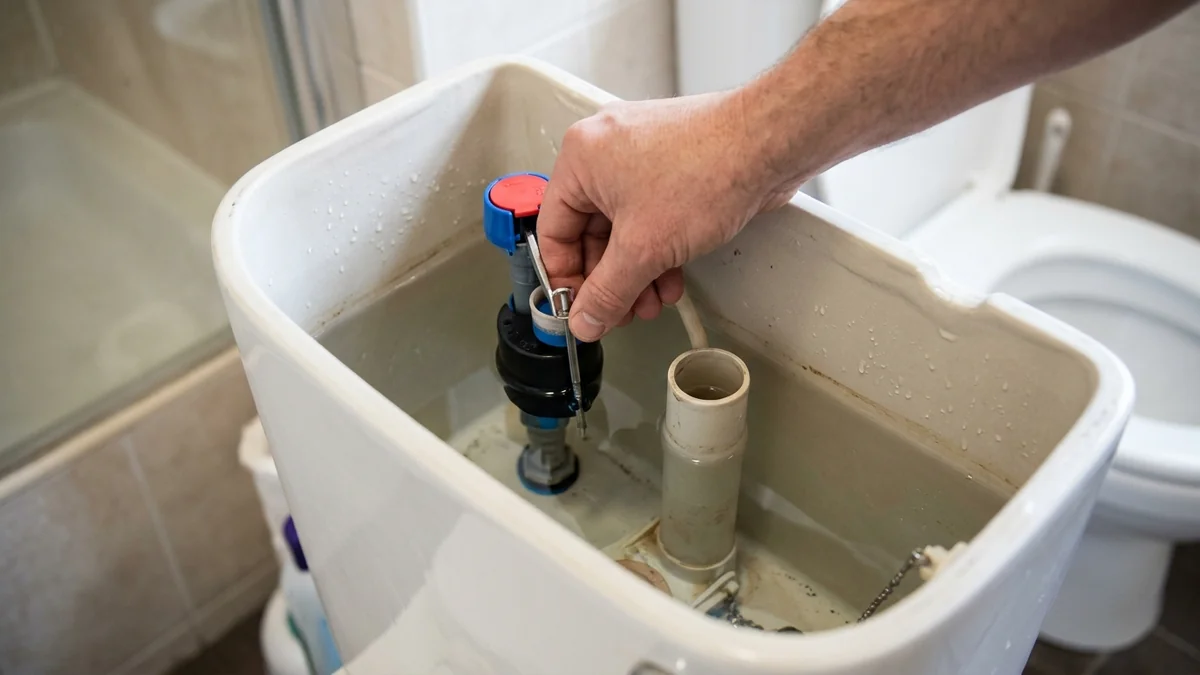
↑ ContentsTake the lid off the tank and set it somewhere safe; it is heavy and breaks easily. Then look at the water level compared with the top of the overflow tube, the open pipe in the middle of the tank.
| What you see | Where the water goes | Fix |
|---|---|---|
| Water is flowing into the top of the overflow tube | Fill valve set too high or not shutting off | Lower the float, clean or replace the fill valve |
| Water is below the overflow tube but the tank refills by itself | Past the flapper | Adjust the chain, clean or replace the flapper |
| Runs only after flushing and never stops | Flapper held open | Chain too short, tangled, or handle sticking |
| Hissing sound, water level looks normal | Fill valve leaking slowly | Flush the valve or replace it |
The dye test
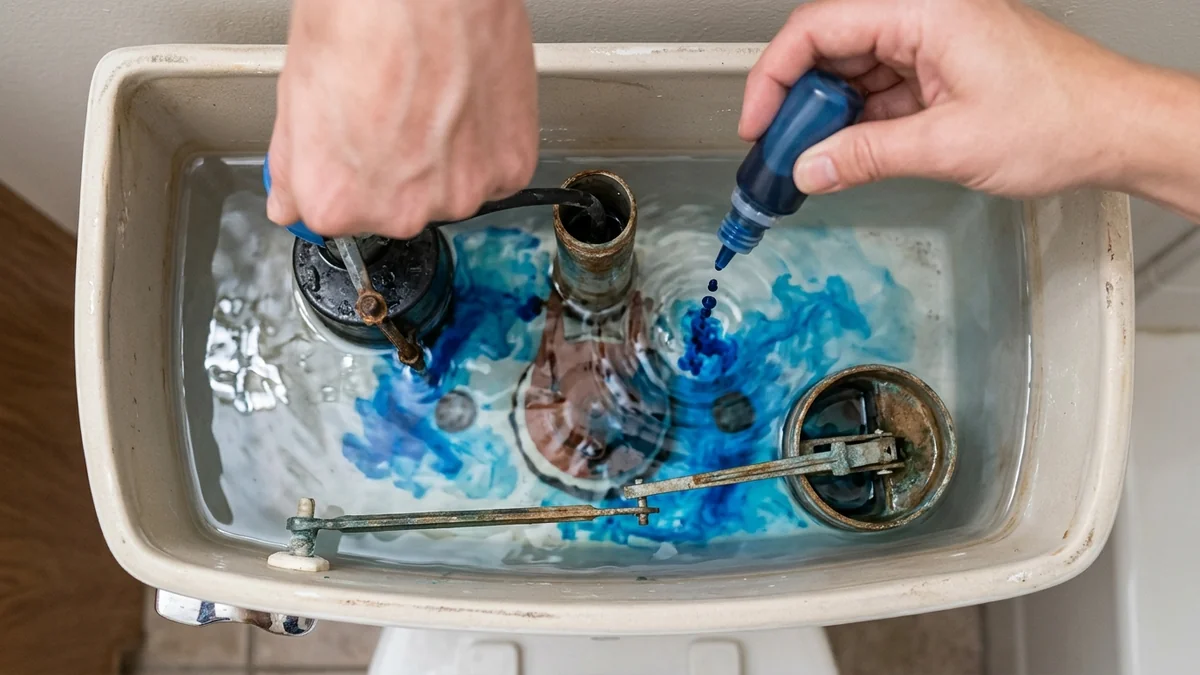
If you cannot tell, use the test EPA recommends: put a few drops of food coloring in the tank and do not flush. If color shows up in the bowl within about 10 minutes, water is getting past the flapper. Flush afterward so the dye does not stain.
How to stop a toilet from running: 6 fixes in order
↑ ContentsStart with the free adjustments and work toward replacing parts. Most running toilets are fixed by step 2 or 3.
Check the chain
The chain between the flush handle and the flapper should have a little slack, about half an inch when the flapper is closed. Too short and it holds the flapper open; too long and it can get trapped under the flapper. Move the clip one or two links and test.
Lower the water level
The water should stop about an inch below the top of the overflow tube. On a modern fill valve, turn the adjustment screw or squeeze the clip on the float cup and slide it down. On an older ball float, gently bend the arm down or turn its adjustment screw. Flush and check where it stops.
Clean the flapper and its seat
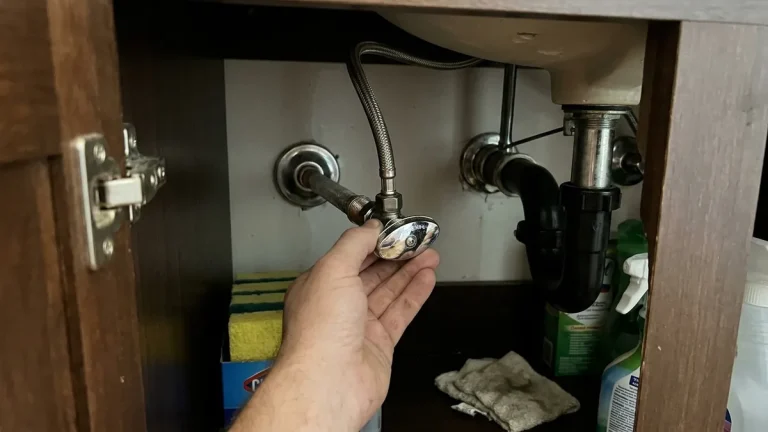
Shut off the water at the valve behind the toilet and flush to empty the tank. Run a finger around the flapper and the flush valve seat underneath it. Mineral buildup or slime is enough to break the seal. Wipe both with a scrubber pad and vinegar, then refill and test.
Replace the flapper
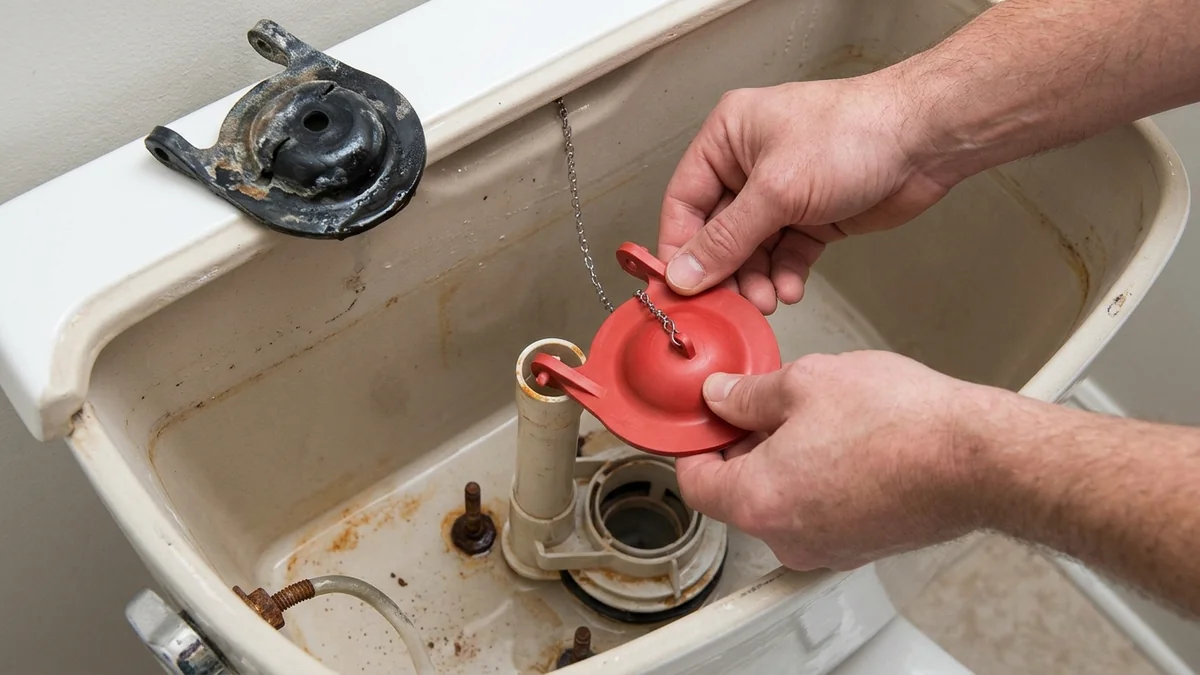
If the flapper is stiff, warped or soft and inky on your fingers, replace it. Unhook the side ears from the overflow tube, take the old flapper to the store, and match the size (2-inch or 3-inch) and brand where possible. This is a 10-minute job.
Flush the fill valve
Grit in the fill valve can stop it from closing. With the water off, remove the cap on top of the valve (usually a quarter turn), hold a cup over the opening and briefly turn the water back on to flush out debris. Reassemble and test.
Replace the fill valve
If it still hisses or overfills, replace the whole fill valve. Universal kits fit most toilets and come with instructions. Keep a towel and a small bucket under the supply connection when you disconnect it.
Toilet runs every few minutes by itself
↑ ContentsA toilet that refills briefly every 10 or 20 minutes without anyone flushing it is sometimes called a “phantom flush.” It is almost always a slow flapper leak: the water level drops a little, the float drops with it, and the fill valve tops it up. The dye test will confirm it. Clean or replace the flapper and the cycling stops.
Also check the refill tube, the small hose from the fill valve to the overflow tube. If it has been pushed down inside the overflow tube below the waterline, it can siphon water out of the tank continuously. Clip it so its end sits above the water.
When the toilet is fine but the water bill is not
↑ ContentsIf the tank is quiet, the dye test is clean, and your water bill is still climbing, the leak may be somewhere else. Our guide to low water pressure explains how to use your water meter to rule out a hidden leak, and dripping fixtures are covered in how to fix a leaky faucet.
When to call a plumber
↑ Contents- The shut-off valve behind the toilet will not close or drips when you turn it.
- Water is leaking onto the floor around the base or from the tank bolts.
- The tank or bowl has a crack, even a fine one.
- The toilet still runs after you have replaced both the flapper and the fill valve.
- You have an in-wall (concealed) tank or a pressure-assist toilet and are not familiar with the mechanism.
Running toilet FAQ
↑ ContentsWhy does my toilet keep running after I flush?
Usually the flapper is not dropping back into place. Check that the chain is not too short or caught, and that the handle is not sticking. If the flapper closes but water keeps flowing, the fill valve is set too high.
Can a running toilet run up the water bill?
Yes. EPA estimates a leaking toilet can waste about 200 gallons a day, which can add a noticeable amount to a monthly bill even when you cannot hear it.
Is it OK to just turn off the water to a running toilet?
As a short-term fix, yes. Close the valve behind the toilet and open it only when you need to flush. Fix the cause within a few days so the valve is not used constantly.
How much does it cost to fix a running toilet?
A new flapper costs a few dollars and a universal fill valve kit usually costs a little more. A plumber’s visit for the same repair costs considerably more because of the service call.
Why does my toilet run randomly at night?
That is the classic slow flapper leak. The water level drops a little over time until the fill valve kicks in. Do the dye test and replace the flapper if color reaches the bowl.
Sources: EPA WaterSense, Fix a Leak Week; EPA WaterSense, toilet leak data.
When your toilet keeps running, the answer is inside the tank: water spilling into the overflow tube points to the fill valve, water slipping past the flapper points to the flapper. Fix the right one and the toilet goes quiet.